Paint Protection
Headlight Restoration: How It Works and How Long It Lasts
Why plastic headlights turn yellow and hazy, how professional restoration removes the damage, and the step that decides how long the result lasts.
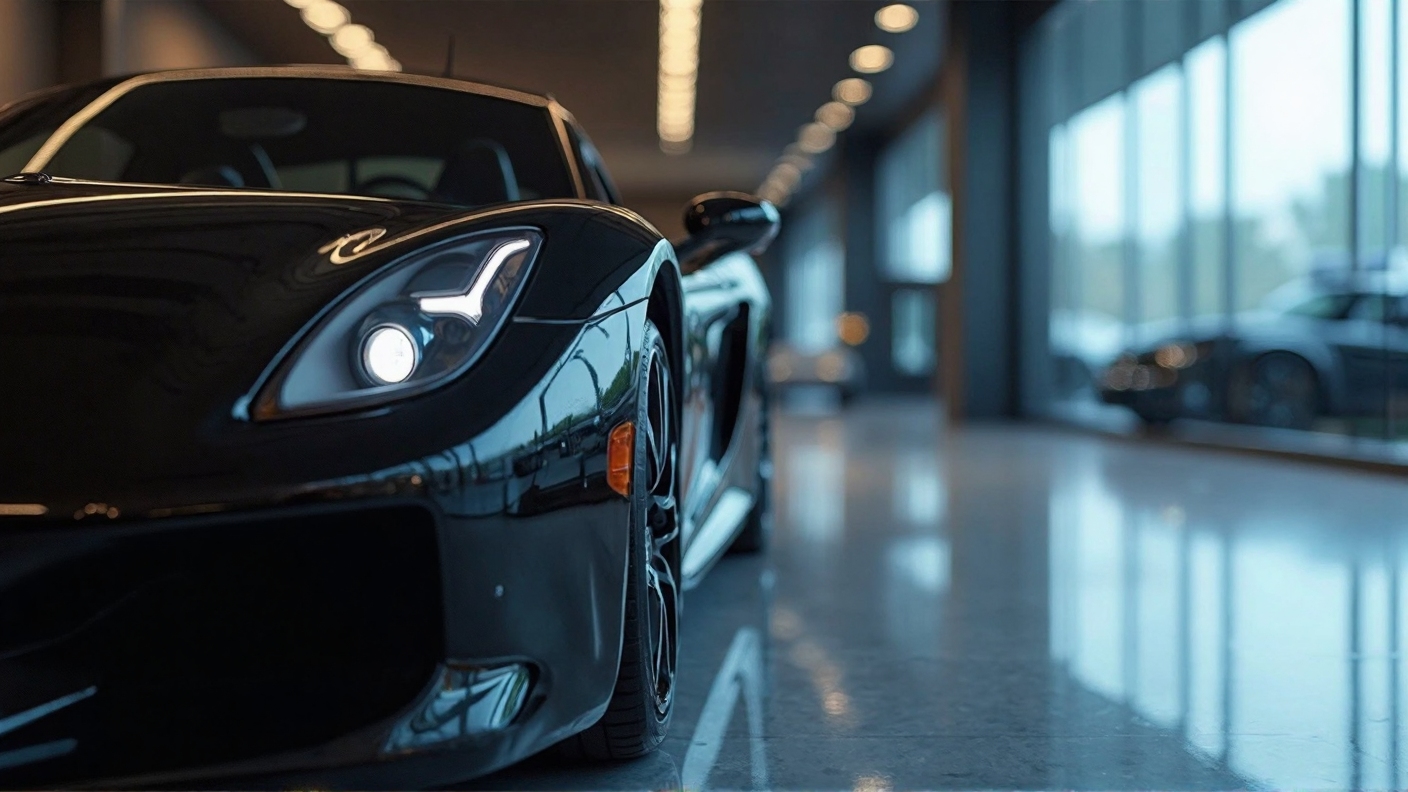
Cloudy, yellow headlights make a car look older than it is, and they also reduce how much light reaches the road at night. The good news is that most hazy headlights can be restored rather than replaced.
Why headlights yellow
Modern headlight lenses are made from polycarbonate plastic. From the factory, they have a protective UV-resistant hard coat. Over years of sun exposure, heat and road debris, that coat breaks down. Once it fails, the plastic itself oxidizes, turning yellow and hazy.
Why toothpaste and quick fixes fail
Quick fixes can remove a little surface haze and make lenses look better for a few weeks. Without new UV protection, the bare plastic oxidizes again quickly, often looking worse than before.
How professional restoration works
- The surrounding paint and trim are masked.
- The failed coating and oxidized plastic are removed by wet sanding, progressing from coarser to finer grits.
- The lens is machine polished to restore optical clarity.
- A new UV-resistant protective layer is applied.
The protection step decides longevity
Step four is what separates a lasting restoration from a temporary one. A durable UV coating or film is needed to replace what the factory applied. Without it, the plastic is fully exposed to sunlight.
Keeping them clear
Wash headlights gently like paint, avoid harsh chemicals, and consider adding a coating-compatible topper periodically. Parking in a garage or shade helps.
When restoration is not enough
If haze is inside the headlight housing, or the lens is cracked or deeply pitted, restoration will not fix it and replacement may be needed.
Headlight restoration is a popular add-on to a full detail because it improves appearance and nighttime visibility at the same time.