Products
How Car Cleaning Products Work: pH, Surfactants and Solvents
Understanding pH, surfactants and solvents helps you pick the right cleaner for each job and avoid damaging paint, trim or protection.
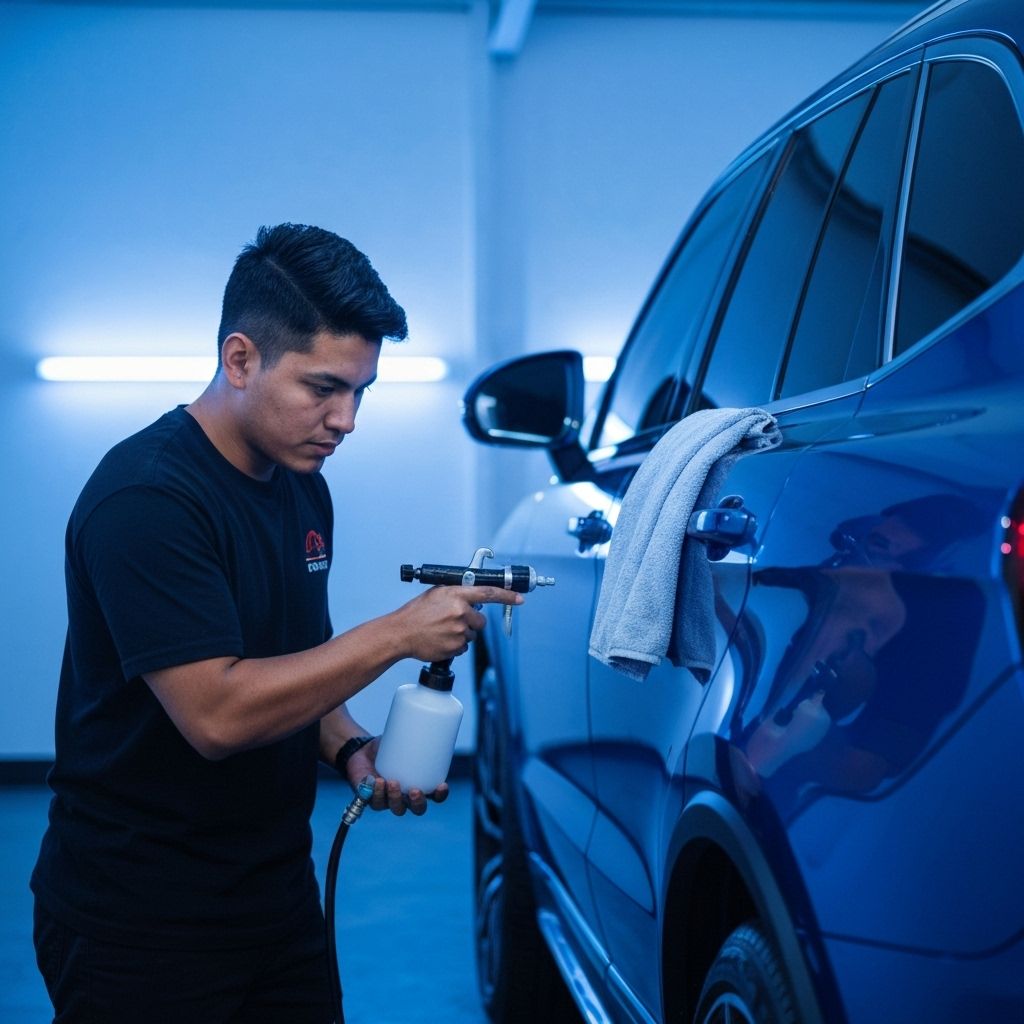
Detailing chemicals can seem like a wall of marketing. Underneath, most of them work on a few simple principles. Knowing them helps you choose the right product and avoid costly mistakes.
pH: acid, neutral or alkaline
The pH scale runs from acidic (low) to alkaline (high), with 7 as neutral. Different dirt responds to different pH levels.
- Alkaline cleaners break down organic grime: bugs, oils, road film and grease. Degreasers and traffic film removers are alkaline.
- Acidic cleaners dissolve mineral deposits: water spots, scale and some wheel contamination.
- Neutral cleaners, like a good car shampoo, clean without attacking protection.
Surfactants
Surfactants are the workhorses in most cleaners. One end of the molecule is attracted to water and the other to oil and dirt. They surround dirt particles and lift them off the surface so they can be rinsed away. They also add lubrication, which reduces scratching during a wash.
Solvents
Solvents dissolve specific contaminants: tar, adhesive, sap and some inks. They are effective but can affect plastics, rubber and some protection layers, so they should be used precisely and not left to dwell.
Chelating agents
These ingredients bind to minerals in hard water so they do not interfere with cleaning or leave spots.
Iron removers
Iron removers react with ferrous particles from brake dust and rail dust, dissolving them and often changing color as they work.
Why it matters
Using a strong alkaline cleaner on paint every week will wear down wax, sealant or coatings. Using an acid on the wrong wheel finish can stain it. Matching chemistry to the job keeps surfaces safe.
The safest default is the least aggressive product that does the job, with stronger chemicals reserved for specific problems.