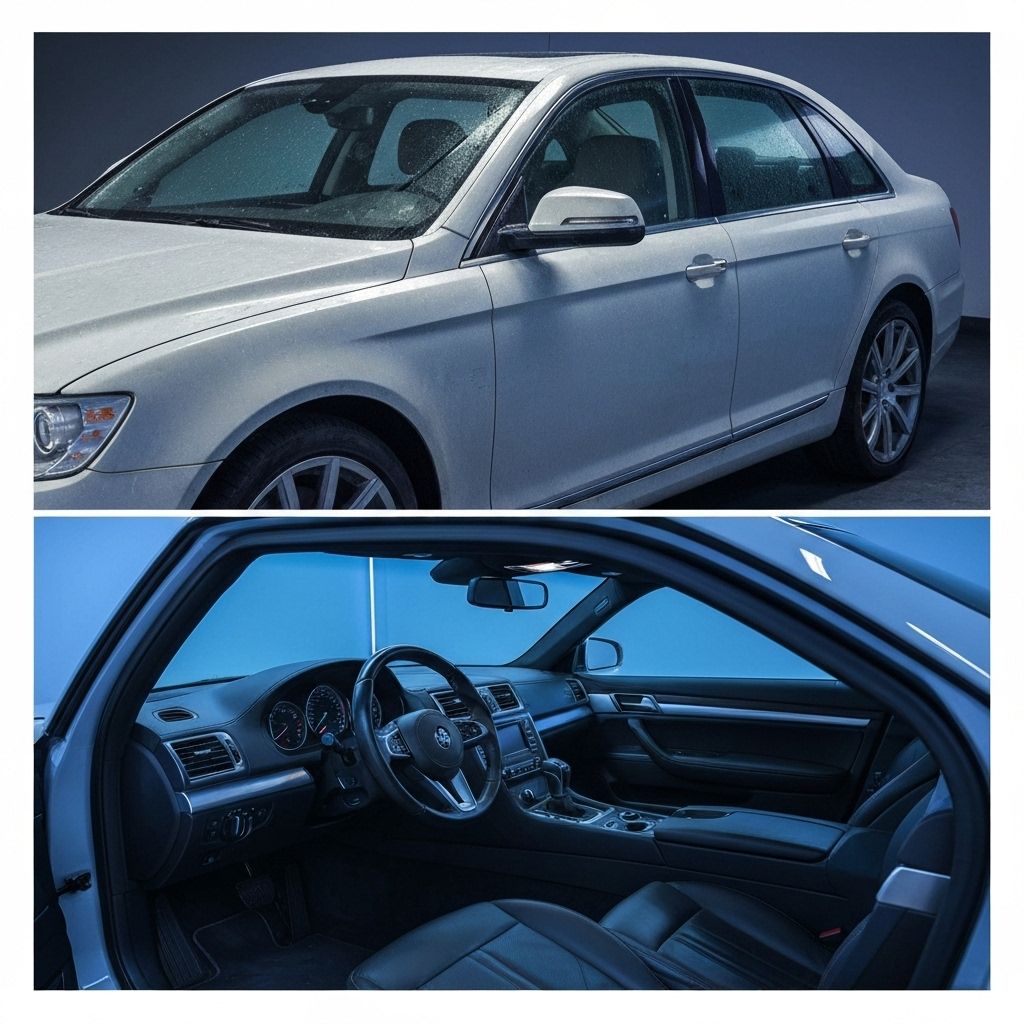
Paint Correction
Multi-Step Paint Correction: Compound, Polish, Refine
When a car has heavy swirls, scratches or etching, a multi-step correction gets the paint as close to flawless as is safe. Here is how it works.
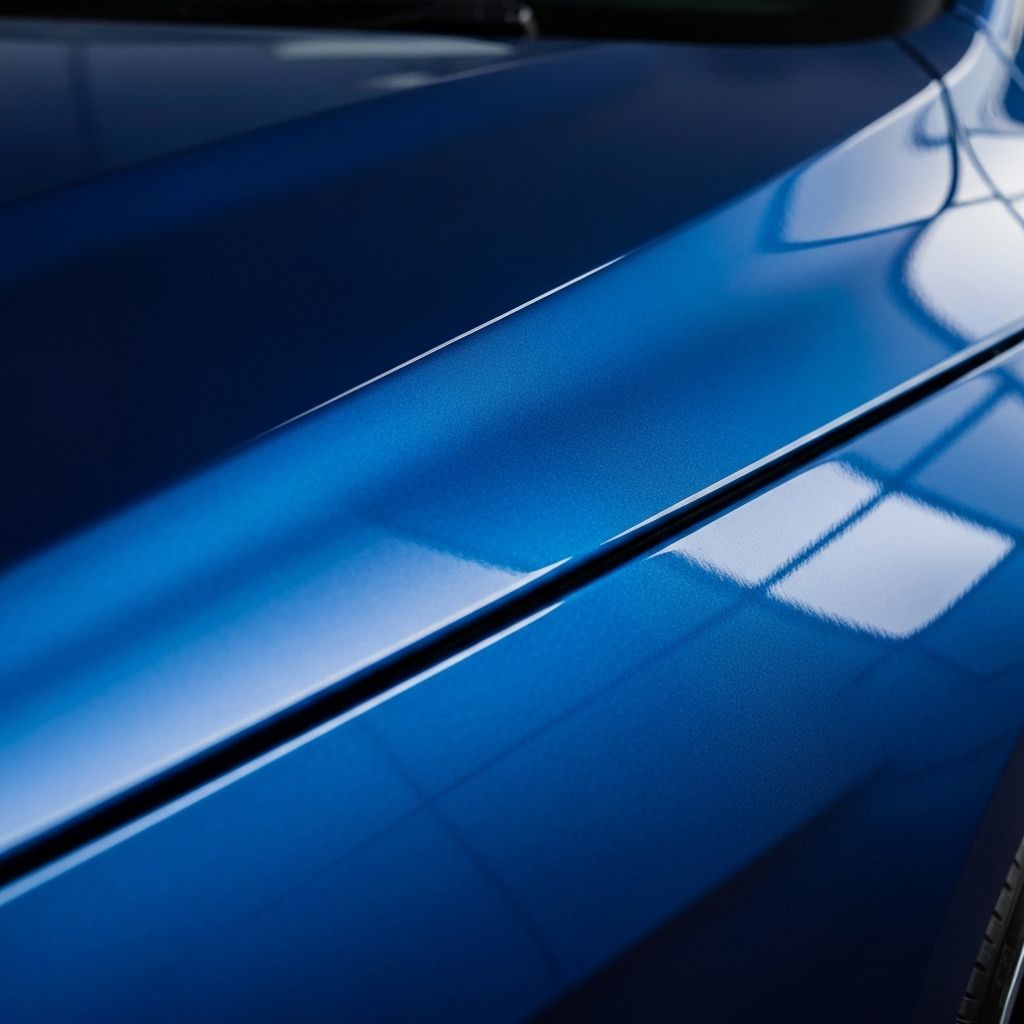
A multi-step paint correction is the most thorough way to restore a car's finish. It is the right choice for dark cars with heavy swirls, show cars, collector cars, and vehicles about to receive a long-term ceramic coating.
Step one: compounding
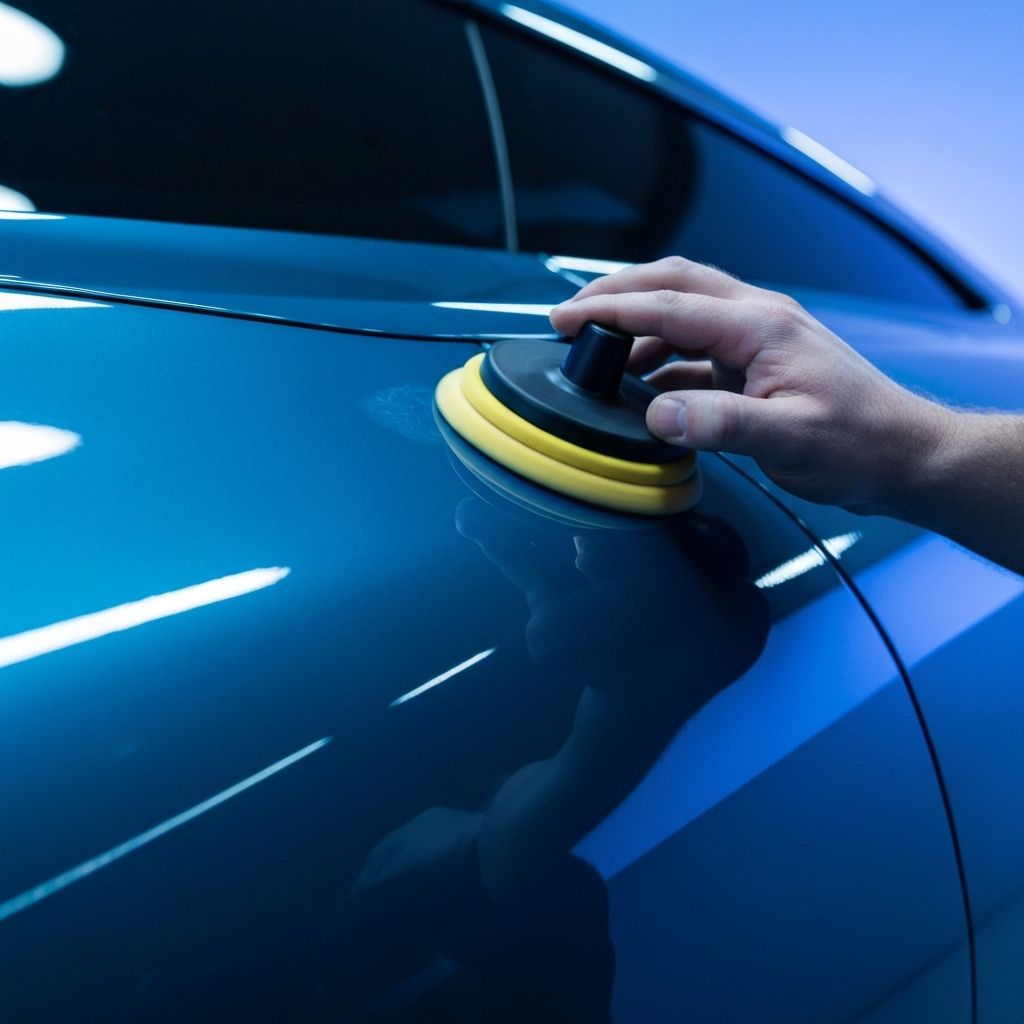
A cutting compound on a firmer pad removes the bulk of the defects: heavy swirls, random deep scratches, water spot etching and oxidation. This step levels the clear coat but usually leaves a light haze or micro-marring of its own.
Step two: polishing
A finer polish on a softer pad removes the haze from compounding and refines the surface to a high gloss. On many cars, two steps produce a finish that looks flawless to most people.
Step three: refining (optional)
On very soft or very dark paint, or for show-level results, a third ultra-fine finishing step brings out maximum clarity and depth.
Spot work
Not every panel needs the same treatment. Isolated deeper scratches may get extra attention with targeted compounding or, in some cases, careful wet sanding. The goal is consistency across the whole car, not perfection in one spot and thin paint in another.
Knowing when to stop
A skilled detailer measures paint thickness and tracks how much has been removed. Some scratches are too deep to remove safely. The professional choice is to reduce them so they are far less visible rather than thin the clear coat to the point that it fails later.
How long it takes
A full multi-step correction on a mid-size car commonly takes one to three days depending on paint condition and hardness.
Lock it in
After all that work, protection is essential. A ceramic coating preserves the corrected finish and makes maintenance washing gentler, which keeps new swirls from coming back.